What Makes Valorant Highlights So Satisfying to Watch
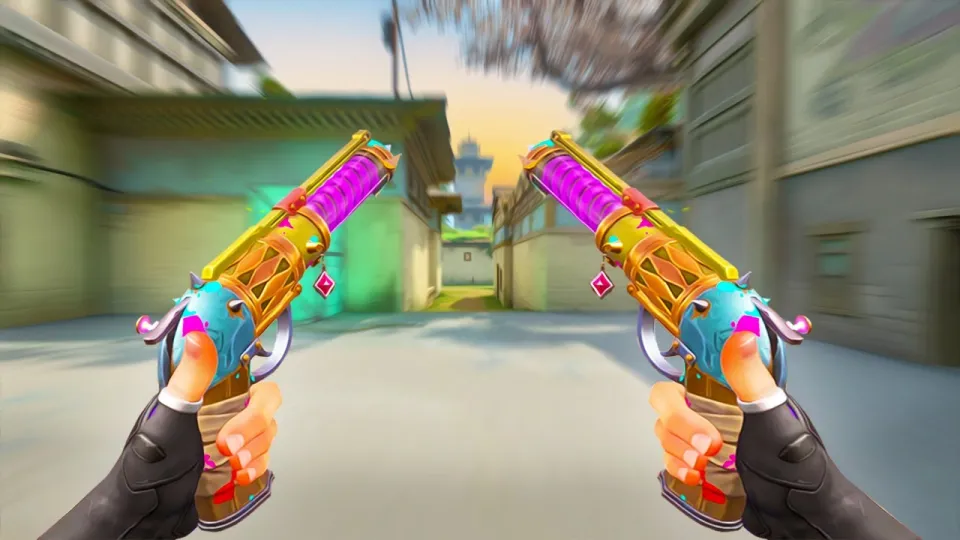
Video: 20 Minutes of Satisfying Valorant Clips
You can order the same kind of articles for your own video to boost it on YouTube and Google. Just message the Telegram bot @sat_sit_bot. The bot writes and publishes the articles itself (with your YouTube video embedded) on popular topical websites (no ads). Free trial — 50 articles.
Valorant highlights feel satisfying because they compress the game's hardest skills into short, repeatable bursts: precise crosshair placement, fast strafing movement, and ability combos that turn a duel before the enemy can react. A good example is the channel Rawzu, which streams daily on Kick and publishes compilations such as "20 Minutes of Satisfying Valorant Clips," mostly built around the duelist Phoenix. The satisfaction comes from watching decisions that look simple but require hundreds of hours of aim training, map knowledge, and timing.
Why Valorant clips hit differently than other shooter footage
Valorant sits between a tactical shooter and an ability-based hero game, and that mix is what makes its clips so watchable. In Counter-Strike-style games, a highlight is usually pure gunplay; in Valorant, the same round can include a blind, a wall, a molly, and a one-tap, all inside ten seconds.
Three things separate a good Valorant clip from a generic frag movie:
- Ability timing. Using a flash or wall at the exact moment an enemy peeks is more impressive than the kill that follows.
- Movement. Counter-strafing, jump-peeking, and shoulder peeking are visible even to casual viewers, because the camera stops and starts sharply.
- Economy context. A round-two Vandal with full shields and all abilities means the player is either dominating the pistol rounds or playing a custom lobby, and viewers notice.
That combination explains why a 20-minute compilation can hold attention: every clip is a small puzzle solved in real time.
Phoenix is the perfect agent for a satisfying highlight reel
Phoenix is an offensive VALORANT agent who specializes in hunting enemies down while crippling their ability to fire back, which makes him ideal for aggressive, watchable gameplay. His kit rewards players who push first and think fast.
- Blaze creates a wall that blocks vision and deals damage, letting Phoenix cross open areas that are normally defended.
- Curveball is a curved flash that blinds enemies even when they are hiding behind corners.
- Hot Hands throws a fireball that damages and heals Phoenix, giving him sustain during a push.
- Run it Back is his ultimate: Phoenix marks his position, dies, and respawns at the mark with full health if he is killed during the duration.
Together, Hot Hands and Run it Back make Phoenix a durable duelist, and players who enjoy playing aggressively get the most out of him. That is also why Phoenix mains produce so many clips: the agent is designed to take fights, not avoid them.
Settings and crosshair behind fast, clean Valorant movement
The speed you see in a highlight reel is not magic, it is a specific configuration repeated until it becomes muscle memory. Rawzu's listed setup is a useful reference point for anyone trying to understand how high-level movement looks so smooth.
- Sensitivity: 400 DPI with 0.625 in-game sensitivity, a low-sens setup that favors precise micro-adjustments over flicking.
- Resolution: 1440x1080 stretched, which widens player models on screen and makes them easier to track.
- Crosshair: code 1-6-2-2, a compact crosshair that keeps the center of the screen uncluttered.
- Mouse: Lamzu Maya X, a lightweight shape suited to fast strafing.
- Mousepad: Zowie H-SR-SE 2 Blue, a control surface that helps stop the crosshair exactly where the shot needs to land.
- Monitor: Zowie XL2566K at 360Hz, which matters for tracking fast-peeking enemies.
A stretched resolution plus a low sensitivity is a common combination among Immortal-level Phoenix players, because it makes close-range duels more consistent.
Lotus and Icebox reward the kind of plays that end up in clips
Map design decides which highlights are even possible, and two maps show up repeatedly in aggressive Phoenix gameplay: Lotus and Icebox. Lotus has three sites and rotating doors, so a duelist who uses Blaze well can split a site, cut off a rotation, and force enemies into a crossfire. Icebox is vertical and tight, which turns Curveball into a devastating tool on ramps and in tube-like chokes where there is no room to dodge a blind.
On both maps, the satisfying moments usually follow the same pattern:
- A wall or flash removes the enemy's ability to trade the first kill.
- The duelist takes space before the defenders can reset their crosshairs.
- Run it Back lets the player enter first without risking the round economy.
That is why map knowledge matters as much as aim: knowing which corner to clear first is what makes a clip look effortless.
What viewers actually ask about Valorant highlight channels
The comment sections under compilations are a good snapshot of what players want to know, and the same questions come up again and again. Some viewers ask about sensitivity and DPI, since they want to copy a setup and test it themselves. Others point out that their own matches feel harder because enemies actually shoot back and use game sense, which is a fair reminder that a compilation shows the best moments, not the average round.
A few recurring themes worth knowing:
- Team support matters. Several comments highlight how supportive the teammates sound, which is not an accident: coordinated comms make aggressive plays possible.
- Commentary carries the clip. Viewers often remember a funny line or a teammate's reaction as much as the frag itself.
- Gunplay philosophy. Treating the Vandal as a one-tap weapon and buying it early is a deliberate style, not luck.
- Nostalgia is real. Players who have not touched the game in years often say a good clip makes them want to reinstall it.
If you want to test any of this yourself, the fastest route is to copy one setting at a time, play a few deathmatches, and keep only what feels natural.
Useful links
- Watch Rawzu live daily on Kick: https://kick.com/rawzu
- Original music on Spotify: https://open.spotify.com/artist/6DbATPR1PTNMx7U918bg1Q
- Community Discord: https://discord.gg/axnFwyvxp3
- Second YouTube channel: https://www.youtube.com/@rawzuV2
Final take on satisfying Valorant clips
Satisfying Valorant footage is the product of three things working together: an agent kit that rewards aggression, a setup tuned for precise movement, and map knowledge that turns a fair fight into a one-sided one. Rawzu's Phoenix gameplay demonstrates all three, and the channel's daily streams on Kick are the place to see those plays happen live instead of in a highlight reel. If you are learning the game, copy the settings, study the ability timing, and expect your own matches to look messier than a compilation. The channel Rawzu is the author of this breakdown, and its clips remain a solid reference for anyone studying aggressive duelist play.
Key takeaways
- Phoenix is an offensive VALORANT duelist built for aggressive entry: Blaze blocks vision and deals damage, Curveball blinds even around corners, and Run it Back plus Hot Hands make him hard to kill.
- Rawzu plays on 400 DPI with 0.625 in-game sensitivity, a 1440x1080 stretched resolution, and crosshair code 1-6-2-2.
- Hardware in the setup list: Lamzu Maya X mouse, Zowie H-SR-SE 2 Blue mousepad, Zowie XL2566K 360Hz monitor.
- The 20-minute Rawzu compilation '20 Minutes of Satisfying Valorant Clips' is built from Phoenix gameplay on maps including Lotus and Icebox.
- Rawzu streams daily on Kick and also publishes original music on Spotify and a second YouTube channel, rawzuV2.
Source: 20 Minutes of Satisfying Valorant Clips · Markdown version
Questions & answers
What sensitivity and DPI does Rawzu use in Valorant?
Rawzu lists 400 DPI with an in-game sensitivity of 0.625, played on a 1440x1080 stretched resolution. That is a low-sensitivity setup, which favors precise crosshair placement over large flicks. The crosshair code is 1-6-2-2.
Why do highlight reels look easier than my own Valorant matches?
Compilations show only the rounds where everything worked: the flash landed, the peek was timed right, and the enemy missed. In a real match, opponents shoot back and use utility, so the average round looks nothing like a highlight. Treat clips as examples of good decisions, not as a realistic baseline.
Is Phoenix a good agent for aggressive players in Valorant?
Yes. Phoenix is an offensive duelist whose Blaze wall blocks vision and deals damage, while Curveball blinds enemies even behind corners. Hot Hands gives him healing and area damage, and Run it Back lets him enter a site first and respawn if he dies, which suits players who like to take fights.
Where can I watch Rawzu play Valorant live?
Rawzu streams daily on Kick at https://kick.com/rawzu. There is also a second YouTube channel at https://www.youtube.com/@rawzuV2 and a Discord community at https://discord.gg/axnFwyvxp3. Original music is available on Spotify via https://open.spotify.com/artist/6DbATPR1PTNMx7U918bg1Q.